
Q: “Can you do a short post on the difference between “safer” and “less safe” peptides— you mentioned it in passing in one of your videos (I think you referenced size also).
I’m assuming things like GLP-1 agonists are the latter, but curious about this and what makes the difference. Couldn’t find that info readily online. Thank you!”
A: Yes, I’m happy to and here you go!
Quality
Of course the first criteria for safety is always sticking with quality, third party tested brands.
(See our recommended brands page here)
For this post we will assume quality sourcing for all peptides.

Molecular Size and Structure are Key Determinants
• Safer peptides are shorter chains of amino acids (typically 2-4 or sometimes up to 10 amino acids long), like peptide bioregulators.
These mimic natural signals in the body without overwhelming it, making them gentle and significantly easier for the body to process. In many cases they match our bodies own peptides.
Note: There aren’t safety differences reported for natural vs. synthetic peptides and we use both.
• “Less safe” peptides are longer, such as GLP-1 agonists. Their larger size can lead to stronger, more widespread effects, which might disrupt normal functions if not managed carefully. These are often used for bodybuilding or weight loss.
Bioregulators (ultra short chains of 2-4 amino acids) are “safer” because they work epigenetically.
They subtly interact with DNA to promote natural repair & gene expression without forcing big changes.
There are minimal or no reported side effects.
They’re often derived from natural tissues and help our body function at its most optimal state.
Learn more here:
Size is not the only factor
• Other elements like the peptide’s mechanism of action, chemical structure/modifications, potency, and specificity to targets can make a big difference in safety and side effects.
Even medium chain peptides can have side effects if they’re:
- potent receptor agonists (mimicking hormones strongly)
- cyclic (making them more stable and bioactive) or
- synthetic/modified, which can lead to off-target effects like nausea or hormonal shifts
Stability issues (e.g., oxidation) or how they’re administered can also increase risks
We don’t use peptides that have any of the above effects.
Common Peptides — listed by Category
Ultra Short Chain / Safest Peptides — 2-4 Amino Acids (AA), Gentle Bioregulators
No peptides in this category need to be injected because the chains are short enough that they are not broken down easily in the body.
They can be combined with anything and with one another.
Reactions to them are extremely rare, if any.

• Epigenetic Bioregulator Peptides – typically no side effects:
Khavinson-based (2-4 AA) All Vita Peptides bioregulators, plus: Epithalon / Endoluten,Ventfort (vessels), Pinealon, Adrenact (adrenals), Endocron (pituitary), LunGuard, Collacell, Stomek, Suprefort, Ovagen (liver), Pielotax (kidney), Bonomarlot, Adrenact, Chelohart (heart), Gotrattix (muscles) , Ovalis (ovaries), Testovive, Prostalon, Visoluten (vision), Chitomur (bladder), Cartalax, plus blends like: CerebroPep, CogniPep, ThyroPep, PinealPep and more
Learn more about all above, here.
• KPV (3 AA – anti inflammatory, antibacterial, antifungal, mast cell calming) reports: related to die off, not peptide itself. Acetylated and amidated version is most bioavailable.
• Thymogen Alpha 1 (2-4 AA – immune support) reports: related to immune (Th1) boost – can shift individuals with TH1 dominance to have autoimmune symptoms. This is not a side effect but a function of any immune booster (such as elderberry). These also occur with any thymus stimulation.
Our post is about how to self select from the 26 Bioregulator, Short-Chain Peptides is here.
Short to Medium Chain Peptides — 5-15 Amino Acids (AA), typically safe / Differing Risks
These also don’t need to be injected because the chains are still short.
Some have possible reactions.

• TB4 Frag 1-4 (4 AA – for inflammation relief, tissue healing, scar remodeling)
• TB 500 as TB4 Frag 17-23 (7 AA – for tissue healing with the benefit of blood vessel support & angiogenesis (growing new blood vessels) – some have concerns any TB4 fragment could also give support to active cancer. (Others say it’s not a concern)
Re: Active Cancer – if blood vessel support is a concern, you’d want to avoid any bioregulator blend with a vascular component (Vesugen / Ventfort)
*Some companies mislabel the full TB4 peptide as TB500, always verify it’s just the fragment 17-23
• Larazotide Acetate (8 AA – to close tight junctions, GI) well tolerated, in this category because of its length only.
• DSIP (9 AA – for deep sleep) – overdose can lead to next day sleep inertia. Not serious, if drowsy in the morning – skip 1-2 days of use)
• P21 (6 AA – Brain supportive) we don’t use it specifically because CogniPep, above, works better)
• Oxytocin (9 AA – for social anxiety)
• Selank / Adalank (7 AA – for anxiety & pain) it regulates serotonin & dopamine. see our post here.
Acetylated and amidated versions of Selank and Semax are most bioavailable.
• Semax / Adamax (7 AA – for focus) reports: hyperactivity, irritability, tinnitus in some. we do not use it.
• ARA 290 (11 AA – nerve pain) reports: possible slight nausea due to healing, rare.
• GHK-Cu (3 AA for – skin) reports: minor GI upset, site pain if injected. We use this topically.
• Can’t Weight (~10 AA weight loss blend)
Below this line, possible side effects begin to grow
• BPC-157 (15 AA – for healing) Reports: dizziness, mast cell activation, anxiety, mood issues & fatigue in some users – angiogenesis concerns for active cancer)
• Ipamorelin (5 AA; growth hormone releaser): mild nausea, headaches, flushing (early use), injection-site reactions (redness/itching), increased appetite, cancer risks for any growth hormone releaser.
• GnRH (10 AA; fertility/hormone regulation): headaches, nausea, bone loss (long-term risk), hot flashes, mood swings, site reactions, fatigue/dizziness, acne/skin changes
Peptides with Moderate concerns — Longer chain Amino Acids (AA) and / or notable side effects
These can either be used as nasal sprays or injections (varies by peptide).
Some have increasing risks, use more cautiously, supervision can be recommended.

• VIP (28 AA; vasoactive intestinal peptide, anti-inflammatory/immune support): mild flushing/warmth, transient headaches.
• SS-31 (4 AA; antioxidant): generally safe with mild effects in oxidative stress contexts (e.g., fatigue or minor headaches during adaptation), injection-site reactions (itching, redness, welts), potential increased thirst or urination, rare GI upset like nausea, anecdotal mood boosts or energy dips
• LL-37 (37 AA; antimicrobial, immune) reports: can trigger autoimmunity, skin irritation (rash, redness, rosacea-like symptoms), reduced cell viability at high doses, promotion of apoptosis in cells like osteoblasts or vascular smooth muscle, weak inflammatory response; avoid for people with PANS or autoimmune issues
• Kisspeptin-10 (10 AA; hormone regulation, fertility): headaches or migraines, nausea, hormone swings per forums (mood changes, emotional crashes, libido fluctuations), flushing or hot flashes, sleep disturbances (insomnia or vivid dreams), potential fatigue or dizziness
• MOTS-c (16 AA; mitochondrial regulator): metabolic shifts (e.g., altered energy levels or tolerance buildup leading to reduced efficacy), fatigue or lethargy in some users, mild headaches or dizziness, potential sleep disturbances like insomnia, rare GI upset (nausea, bloating), increased thirst or urination, and limited reports of mood changes or anxiety*
• Melanotan I (Afamelanotide; 13 AA): flushing or warmth in the face/chest, GI upset (nausea, appetite loss), skin changes (darkening of moles/freckles, new spots), fatigue or dizziness, injection-site reactions (pain, erythema), potential headaches or migraines, rare allergic responses like itching/hives, and concerns for long-term skin cancer risk due to melanocyte stimulation.
• Melanotan II (7 AA; cyclic tanning aid): nausea, cramps (abdominal or muscle), flushing/hot flashes, rhabdomyolysis risks (muscle breakdown, dark urine, weakness), increased libido with spontaneous erections, appetite suppression or loss, darkening of moles/freckles with new spots, headaches or fatigue, potential mood changes like anxiety/irritability, and long-term concerns for skin cancer or organ damage.
- Never consider melanotan 1 or 2 for a child – KPV is safer, newer and contains fewer amino acids – it delivers key benefits without side effects
• GnRH (10 AA; fertility): headache, nausea, bone loss potential with long-term use (osteoporosis risk), hot flashes or night sweats, mood swings/irritability, injection-site reactions (pain, swelling), fatigue or dizziness, potential acne or skin changes, rare allergic responses, and hormonal imbalances like altered cycles or libido fluctuations.
• Vasopressin (9 AA; antidiuretic): confusion or disorientation, nausea/vomiting, vasoconstriction effects (hypertension, chest pain, reduced blood flow), water retention leading to hyponatremia (headaches, seizures), abdominal cramps or diarrhea, potential allergic reactions (rash, itching), rare cardiovascular issues like arrhythmias, and long-term risks of electrolyte imbalances.
• AOD-9604 (16 AA; fat loss): mimics GH with potential mild effects (headaches, fatigue, injection-site irritation like redness or swelling), limited data shows rare nausea or dizziness, possible joint pain or muscle aches, no major sides in trials but anecdotal reports of water retention or appetite changes; generally safe but ineffective for some users without diet/exercise.
• Full TB4 (43 AA synthetic analog of thymosin beta‑4) What it’s used for: tissue repair signaling, cell migration, angiogenesis, inflammation modulation. Common side effects reported: headache, nausea, flushing/warmth, fatigue, localized injection reactions (redness, itching, swelling)
• CJC-1295 (30 AA; growth hormone releaser): injection-site reactions (pain, redness, swelling), increased hunger (ravenous appetite spikes), flushing/warmth (facial or body heat), headaches (mild to severe), nausea (mild, post-injection), gynecomastia worsening (in those with history), histamine responses (itching, hives, rash), nasal symptoms (stuffy/runny nose, sneezing), head pressure/heaviness (pulsing sensation), chest tightness (mild shortness of breath), fatigue/lethargy (energy dips), water retention (swelling in extremities), joint/muscle pain (aches or stiffness), sleep disturbances (insomnia, night sweats); rare long-term risks like insulin resistance or cancer promotion; sides often manageable with low doses, easing after 2-4 weeks
*For excellent mitochondria support without the risks or need to inject, we prefer NAD+ < click for our post
Higher Risk Peptides Long Chains — Therapeutics with greater / more Common side effects
All are injections. The long chains cannot survive when taken in other forms.
Can have notable side effects that need mitigation – should be supervised use only.

• Insulin (51 AA; blood sugar): hypoglycemia (shakiness, sweating, confusion, seizures in severe cases), weight gain from increased fat storage, injection-site reactions (lipohypertrophy, redness), potential allergic responses (itching, rash), long-term risks like cardiovascular issues or neuropathy, mood swings or irritability from blood sugar fluctuations, and rare severe anaphylaxis.
• Calcitonin (32 AA; bone health): nausea, diarrhea, cardiovascular effects (e.g., flushing, hypotension), facial redness/hot flashes, nasal irritation or rhinitis with spray forms, injection-site reactions like pain/swelling, potential allergic responses including hives or rash, rare bone pain or muscle aches, and long-term concerns like increased cancer risk in animal studies (though not confirmed in humans).
• Semaglutide Ozempic, Wegovy (31 AA; GLP-1 agonist for weight loss/diabetes): nausea (often severe, with vomiting or reduced appetite, especially early on), GI issues (diarrhea, constipation, abdominal pain, bloating, heartburn, sulfur burps), thyroid risks (potential C-cell tumors, rare in humans), fatigue/exhaustion (debilitating at start), headaches/dizziness (tied to dehydration or low intake), injection-site reactions, muscle loss/weakness (with rapid weight loss), bad breath, appetite suppression (can lead to food aversion or malnutrition), cancer risks, rare pancreatitis or gallbladder issues; side effects often ease after 4-8 weeks, but some stop due to intensity.
• Liraglutide Victoza (31 AA; GLP-1 agonist): nausea (intense early, with vomiting), diarrhea, constipation, abdominal pain, decreased appetite, indigestion, heartburn, bloating, headaches, dizziness, fatigue/lethargy, injection-site reactions (bruising/pain/redness), dry mouth/jaw clenching, acid reflux, low blood sugar (especially in children), allergic reactions (anaphylaxis, rash/itching), swelling/lump in neck, hoarseness, trouble swallowing/breathing, increased heart rate, thyroid cancer risk (MTC), pancreatitis, gallbladder problems, kidney issues, mood swings/irritability, acne/skin changes, hot flashes/night sweats, rare bone loss or long-term cardiovascular risks. side effects may be milder after titration, but some switch due to intolerance.
• Tirzepatide Mounjaro, Zepbound (39 AA; dual GLP-1/GIP agonist for weight loss/diabetes): nausea (frequent, sometimes severe with vomiting), GI issues (diarrhea, constipation, abdominal cramps, bloating), fatigue/exhaustion (mental fog, low energy), headaches/dizziness (from low intake/dehydration), injection-site reactions (redness, swelling, pain), appetite suppression (strong, risking food aversion or muscle loss), sulfur burps/bad breath, metabolic shifts (altered energy, tolerance buildup), rare gallbladder disease or pancreatitis; often fewer side effects than semaglutide, but compounded versions vary.
• PTH (Teriparatide; 84 AA; bone density treatment): nausea (with vomiting or GI upset), headache (sometimes migraines), dizziness (orthostatic or lightheaded), injection-site reactions (pain, redness, swelling, bruising), hypercalcemia symptoms (fatigue, constipation, muscle cramps, increased heart rate), bone/joint pain (transient), leg cramps/spasms, rare osteosarcoma risk (not confirmed in humans, limits use to 2 years); side effects often mild, but calcium fluctuations reported.
• Follistatin (344 AA; flu-like symptoms, sore/inflamed muscles post-injection, vision issues like black spots, weakened tendons/ligaments increasing tear risk, potential tumor growth promotion (but may restrict spread), connective tissue weakening, no cardiac hypertrophy in studies)
• Dulaglutide Trulicity (approx. 536 AA; GLP-1 agonist): nausea (often severe/early, with vomiting), diarrhea, constipation, abdominal pain, bloating, decreased appetite, indigestion, heartburn, fatigue/exhaustion, injection-site reactions (redness/swelling/itching/pain), headaches, dizziness/lightheadedness, dry mouth, fainting, increased heart rate, confusion, decreased urination, allergic reactions (anaphylaxis, hives/rash), thyroid risks (C-cell tumors/MTC), pancreatitis, gallbladder issues, kidney problems (e.g., dehydration-related), cardiovascular effects (flushing/hypotension), fever/ill feeling, swollen lymph nodes, rare bone/muscle pain or long-term cancer risk.
(Sorry! I wish there weren’t so many reported effects – these are from studies & forums)
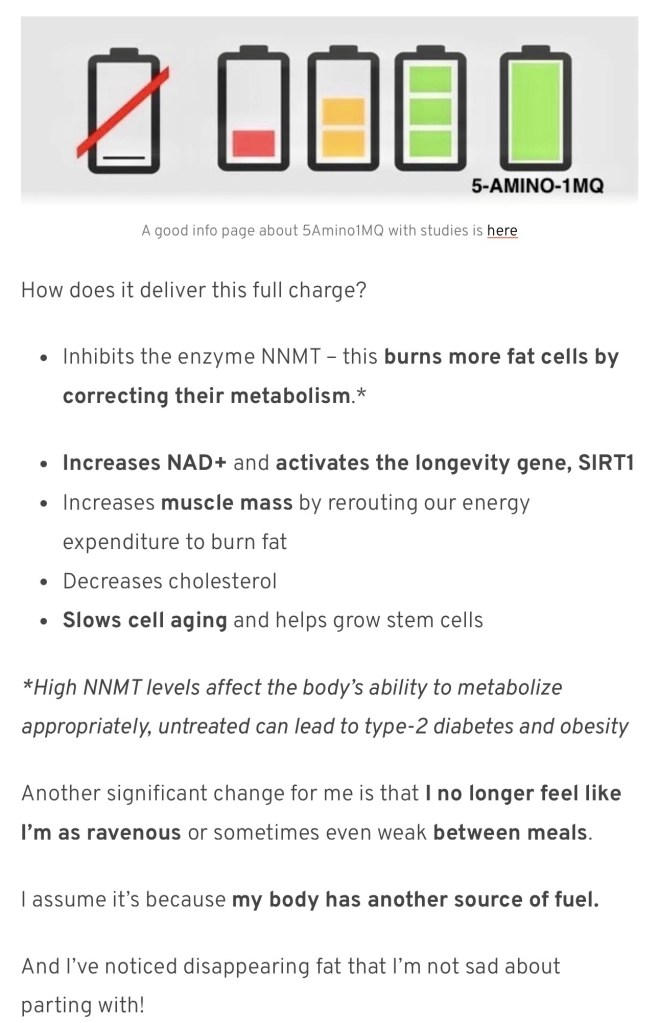
For a safe Fat Cell Metabolism Booster we like the small molecule: 5 Amino 1 MQ
Read more at our review: here
I hope this page was helpful 🤍
You can see there’s a large difference between the short-chain peptides that we discuss (in the first two categories) and some other peptides.
Most of the available peptides can have a place for healing.
Some are just not DIY!
For ALL of our Peptide content — Posts, Videos, FAQ, Quiz, discounts, and much more, see this page: