
If you’re exploring natural ways to tackle chronic microbial infections, you’ve probably used herbs like garlic, goldenseal or oregano.
And we focused on them for MANY years too — but there’s a new contender in town, antimicrobial peptides!

These tiny amino acid chains (joined in sequence with peptide bonds) are making waves in the scientific world.
This post will explain 6 ways they edge out herbs for fighting bacteria, fungi, and more.
•••
Also, if desired, they can also be used alongside herbs because antimicrobial peptides (AMPs) do the heavy lifting of penetrating and preventing biofilms — helping your favorite herbs get where they need to go!
What are Antimicrobial Peptides?
Peptides directly influence our cells to turn on or off genes, each resulting in specific changes.
In this way, AMPs can instruct our cells to carry out processes to eliminate microbes.
Think of AMPs as precise and targeted compared to herbs’ broader, less predictable approach.
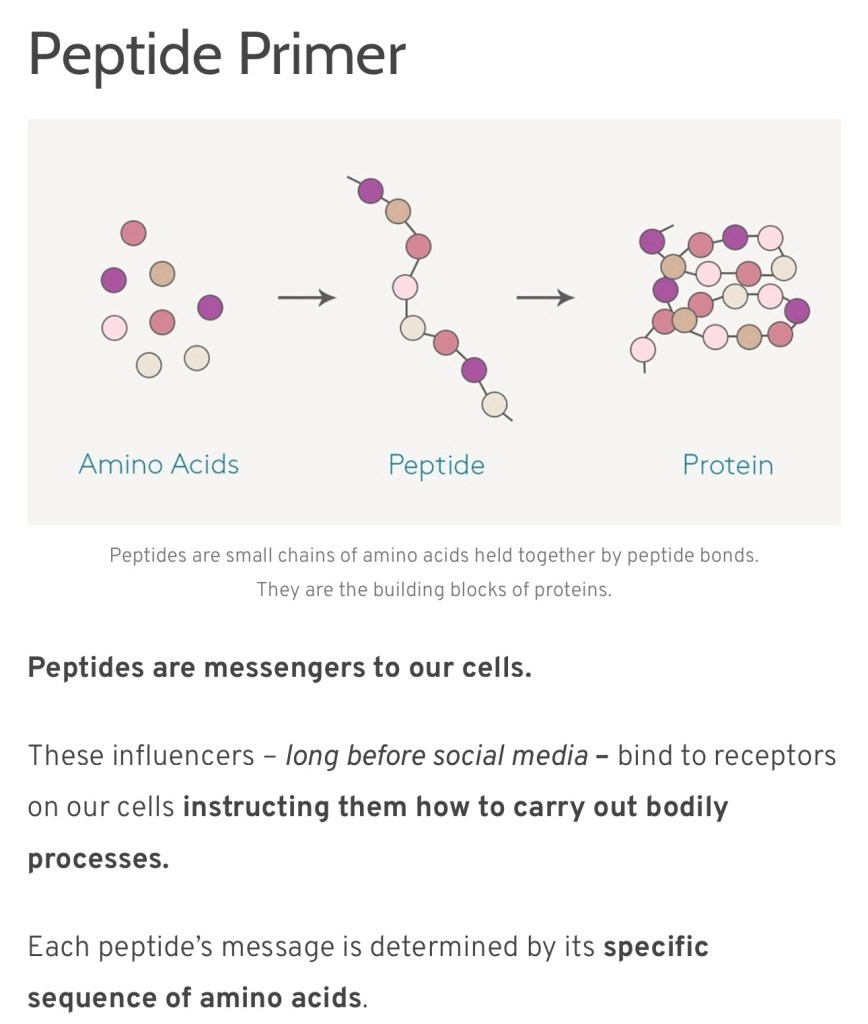
For more see our Peptides 101:
Why Peptides Shine Over Herbs
1. Pinpoint Precision
Antimicrobial Peptides such as KPV target microbial membranes with laser accuracy due to their positive charge, sparing our healthy cells.
Herbs contain mixed compounds that vary in potency, making their effects harder to control (may kill “good” bacteria).
2. Broad-Spectrum Power
AMPs tackle bacteria and fungi, hitting conserved structures so microbes can’t easily change.
Herbs can be effective but may lose steam against resistant strains.

3. Resistance Fighters
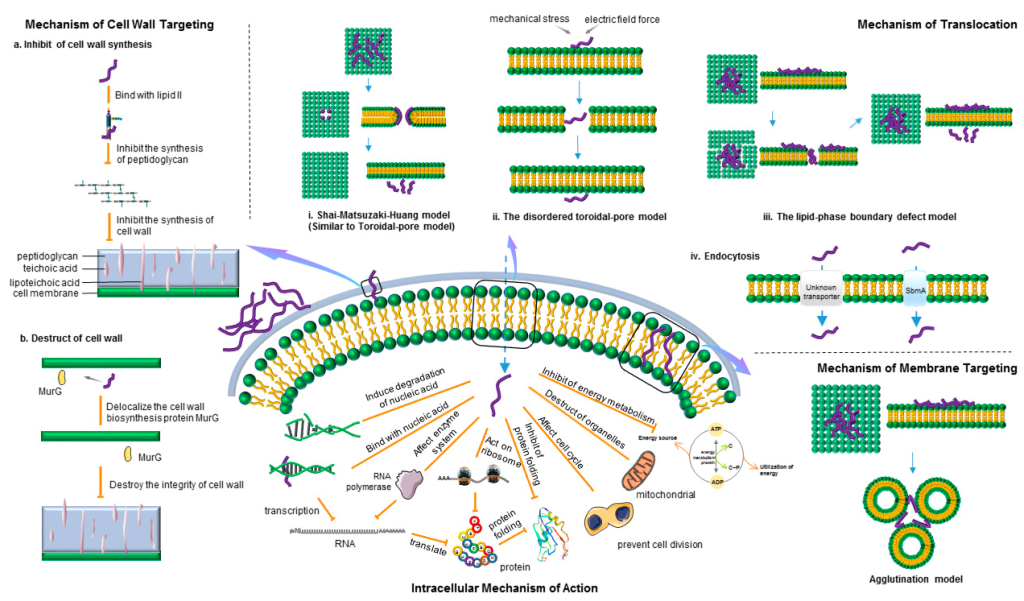
Because AMPs attack multiple targets (membranes, DNA, and more), bacteria struggle to develop resistance.
AMP’s can also penetrate and break down biofilms.
Herbal compounds, like carvacrol in oregano, can face resistance if overused, as microbes adapt.

4. Immune Support
Beyond killing pathogens, AMPs rally your immune system, recruiting white blood cells or trapping bacteria in “nanonets.”
Choose one like KPV that won’t overly stimulate the immune system but can provide the modulation you need.
Various herbs may support immunity, but their effects are less precise and reliable.
5. Lasting Effectiveness
Peptides work in various durations –
• Short term on cell surfaces as messengers.
• Longer term epigenetically affecting gene transcription – (turn on and off genes) this is slower to build up initially but longer lasting, beyond when you stop taking them.
Herbs don’t leave behind the same type of lasting changes.
For more on how to dose peptides to maximize their lasting effects & for the best results see our video:
6. High-Tech Future: Scientists are using AI to design AMPs with enhanced stability and delivery, making them scalable and customizable.
Herbs are tough to standardize due to varying plant quality and processing.
Research
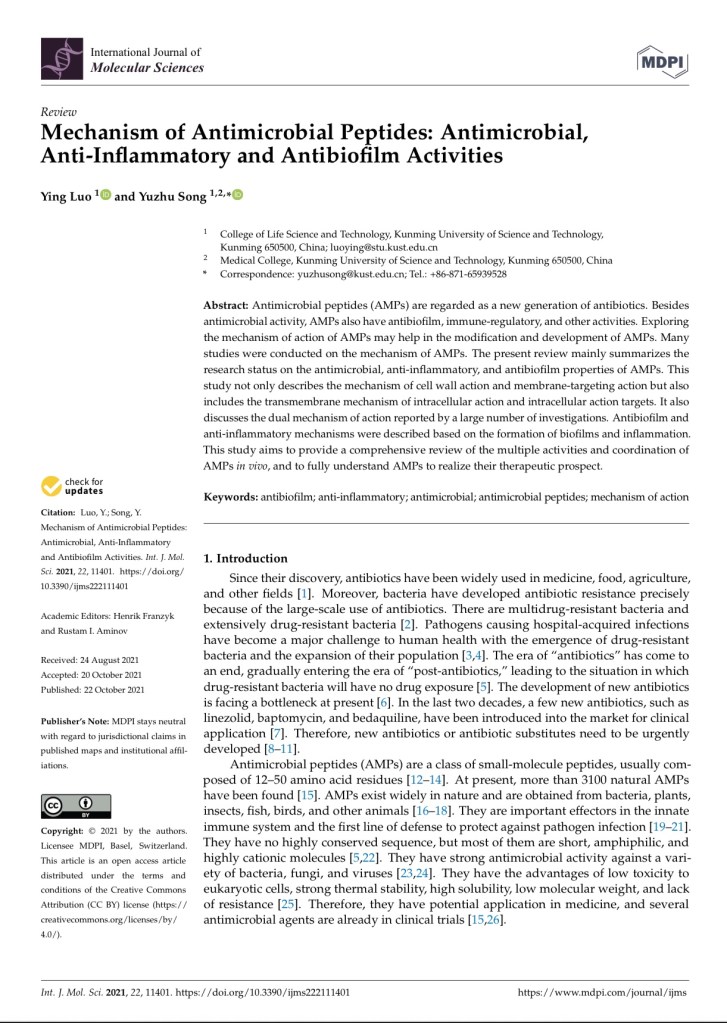
Clinical trials show AMPs promise for many types of infections, in some cases matching antibiotics.
Studies also reveal AMPs work synergistically with drugs (or herbs), lowering doses and side effects, and helping them break through biofilms and eliminating resistance.
Herbs alone lack the same level of rigorous testing and potency as AMPs.
Are There Downsides?
AMPs can be pricey to produce and some degrade quickly in the body, needing frequent or specialized delivery (via nanoparticles).
📺 SEE OUR ABOVE VIDEO for easy frequent dosing protocol info!
Herbs are more accessible but inconsistent strength and potential side effects (allergic reactions).
Peptides vs. Herbs: The Verdict
Herbs are a great starting point, but AMPs offer a significant upgrade with precision, power, biofilm busting and resistance-proofing.
As research grows, AMPs will redefine how we fight microbes, especially in a world of antibiotic resistance.
NEW – Consider our AI Tool!

Learn more about KPV peptide, our favorite AMP at this video and blog post:

 Diary of Recovery